

Our editorial team is comprised of skilled technology experts and developers. To ensure that our research is easy to understand in simple and plain English, we may use AI-assisted tools for grammatical refinement and structural smoothness. However, every technical insight, test, and experience displayed has been fully completed and verified by our human team. All content remains the original property of Droid Expose. See more in our Privacy Policy.
For over a decade, the 15GB storage has been a hallmark of the Google ecosystem—a generous pool of free space shared across Gmail, Drive, and Photos. However, that baseline is shifting. Recent changes to Google’s account creation process suggest that the full 15GB is now being treated as a reward for verification rather than a universal right.
If you sign up for a new Google account today without linking a phone number, you may find yourself with only 5GB of storage, a third of the traditional offering.
Table of Contents
The Verification Gap
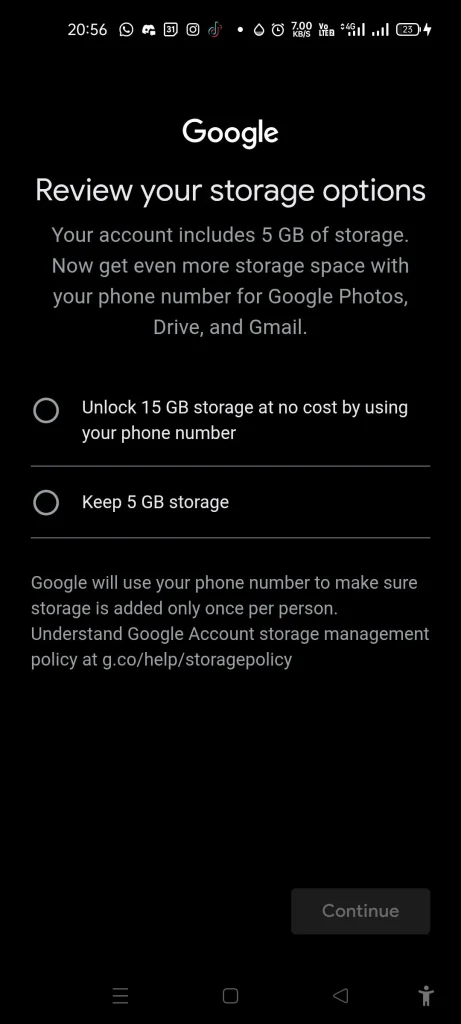
The change first surfaced through user reports on platforms like Reddit, where an individual noticed a new choice during the account setup phase. Google now presents a fork in the road: keep a basic 5GB account or unlock the full 15GB by providing and verifying a mobile number.
The prompt during setup is explicit: Google claims it uses the phone number to ensure that the 15GB allocation is granted only once per person. While users can still technically bypass the phone requirement in specific scenarios—such as setting up a new Android device without a SIM card—doing so now comes with a significant storage penalty.
Quiet Updates to Official Policy
This isn’t just a limited test; the groundwork for this shift began months ago. Historical data from the Wayback Machine reveals that Google updated its support documentation around March 18, 2026.
Previously, the official language stated that every Google Account comes with 15 GB of cloud storage at no charge. That phrasing has since been softened to up to 15 GB, providing the company with the legal and operational flexibility to throttle storage for unverified or lite accounts.
Why the Shift?
There are two primary drivers behind this decision: security and scarcity.
- Bot Prevention: By requiring a phone number for the full storage tier, Google makes it significantly more expensive and difficult for bad actors to spin up thousands of burner accounts for spamming or hosting malicious files.
- Hardware Costs: As high-speed storage and server memory become more expensive and resource-intensive, tech giants are moving away from the infinite free growth model of the 2010s. Limiting unverified users to 5GB helps Google manage its massive data center footprint more efficiently.
Our experiment
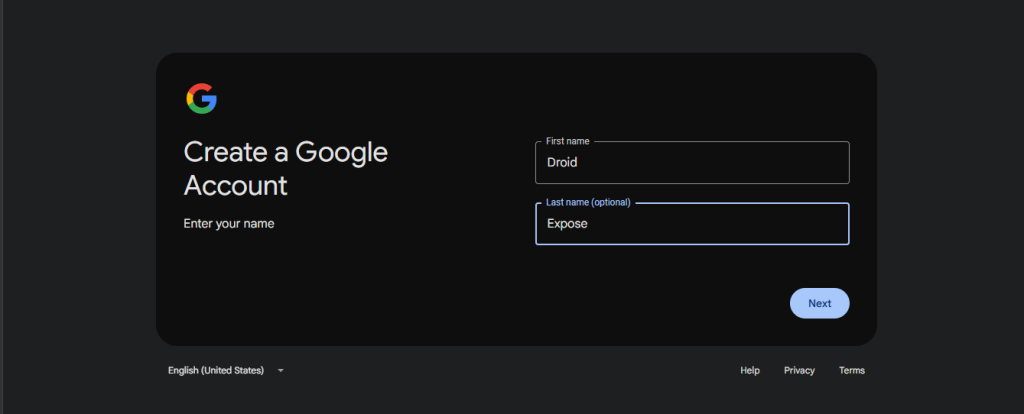
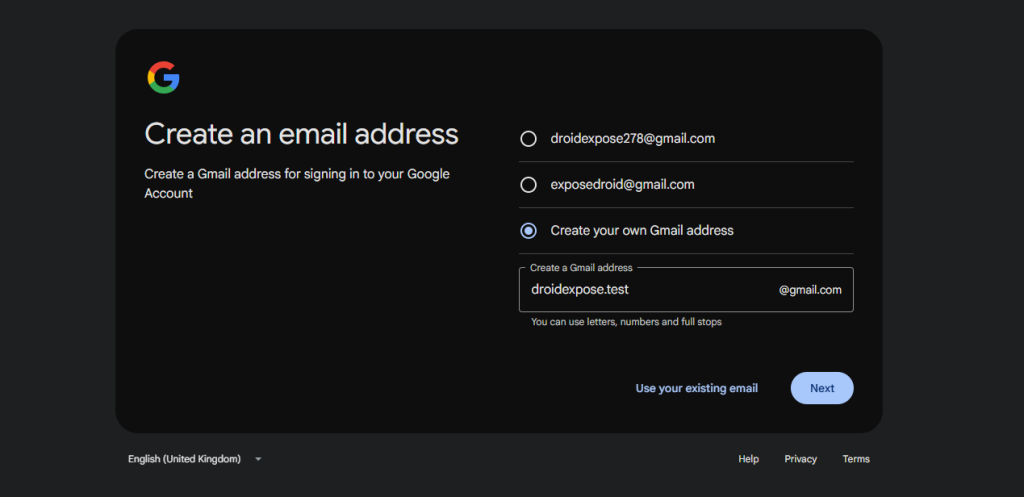

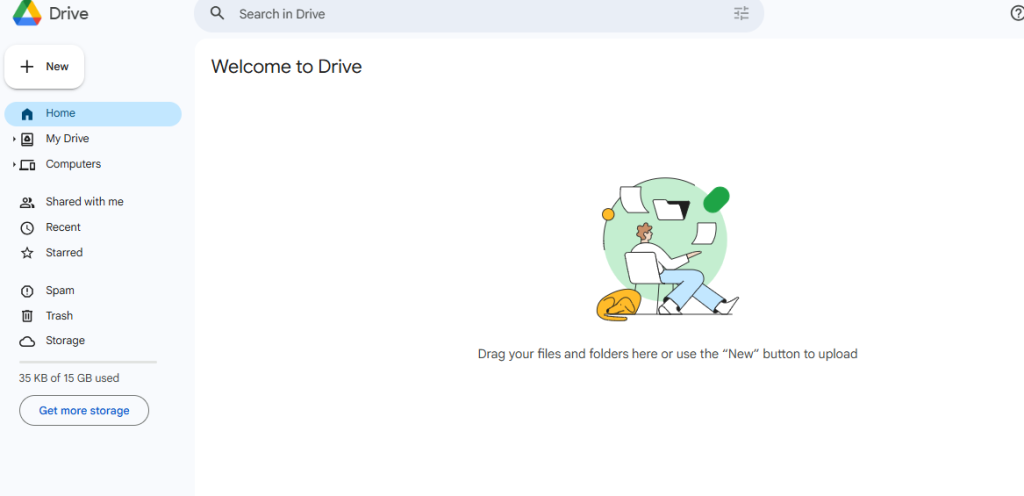
We first uncovered the news through 9to5Google. Following that, we created a new Google account on desktop without any phone number verification, and at no point were we prompted about account storage limits. However, we did notice a yellow warning banner on the account stating that we should add a phone number soon to avoid the account being locked and this is nothing new in unverified Google Accounts.
Since there was no storage-related prompt, we decided to verify it manually by visiting Google Drive. There, we found that the account was showing 15 GB storage as before.
What This Means for You
For existing users with 15GB (or paid Google One plans), nothing changes immediately. However, if you are planning to create a secondary account for professional use or privacy reasons, you should be prepared to provide a phone number if you intend to store significant amounts of data.
You may also like to read: Why is Android AICore Eating Your Storage? Google Finally Has an Answer
A Reddit user was also reportedly shown a storage-related prompt on the account page. Notably, Google has updated wording on its support pages from “15GB” to “up to 15GB,” a change that has drawn attention. Sources like 9to5Google also highlighted the development as significant.
Combined with our own observation of a newly created account displaying 15GB of storage as before in Google Drive, it appears that Google is testing or gradually rolling out a new storage policy for some new accounts, or people in some regions are experiencing such storage prompt. However, the company has not yet made any official announcement regarding this matter.
This article is published based on available verified data as of May 15, 2026-12:47PM (UTC). Based on the next announcements we may publish new updates about this topic.