


Our editorial team is comprised of skilled technology experts and developers. To ensure that our research is easy to understand in simple and plain English, we may use AI-assisted tools for grammatical refinement and structural smoothness. However, every technical insight, test, and experience displayed has been fully completed and verified by our human team. All content remains the original property of Droid Expose. See more in our Privacy Policy.
I have been paying for Spotify Premium for three years. And like a lot of people, I kept asking myself the same question: is there a real, working free alternative?
A few months ago, I found one that actually held up for more than a week. It is called SimpMusic. I used it. I tested it. And I also dug into what it actually does behind the scenes — because that part matters, and most articles writing about this app are skipping it entirely.
This is not a recommendation. This is what I found.
Table of Contents
What SimpMusic Actually Is
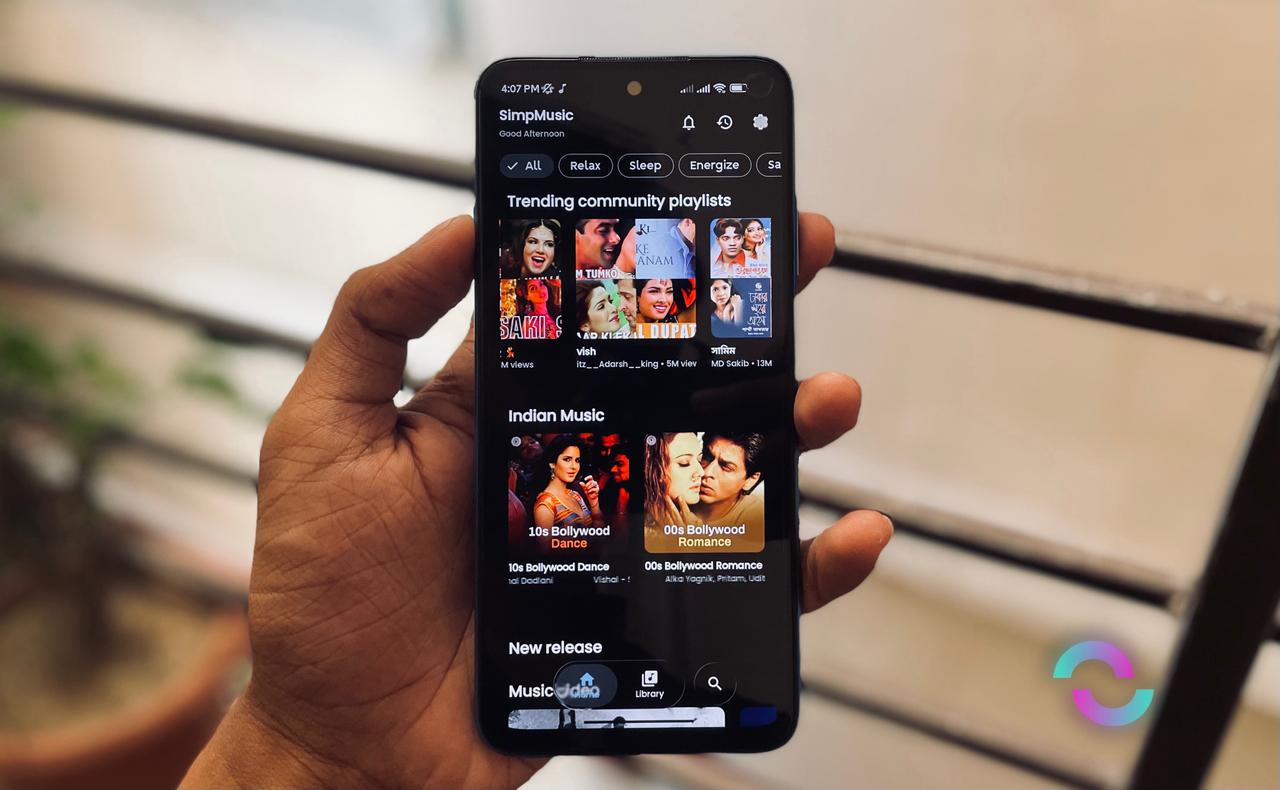
SimpMusic is a free, open-source music app built by an independent developer named maxrave-dev. It runs on Android and, more recently, desktop platforms (Windows, macOS, and Linux in alpha). There is no iOS version.
The app does not have its own music library. Instead, it connects to YouTube and YouTube Music as its backend. Think of it as a different front door to the same YouTube content — but redesigned around music listening, with ads removed, offline caching, and a clean Spotify-like interface.
The source code is publicly available on GitHub and the app can be downloaded from F-Droid or the official SimpMusic website. It is not on the Google Play Store, and that is not an accident — I will get to that.
What It Can Actually Do
After testing the app myself and cross-referencing with the official GitHub documentation, here is what SimpMusic genuinely offers:
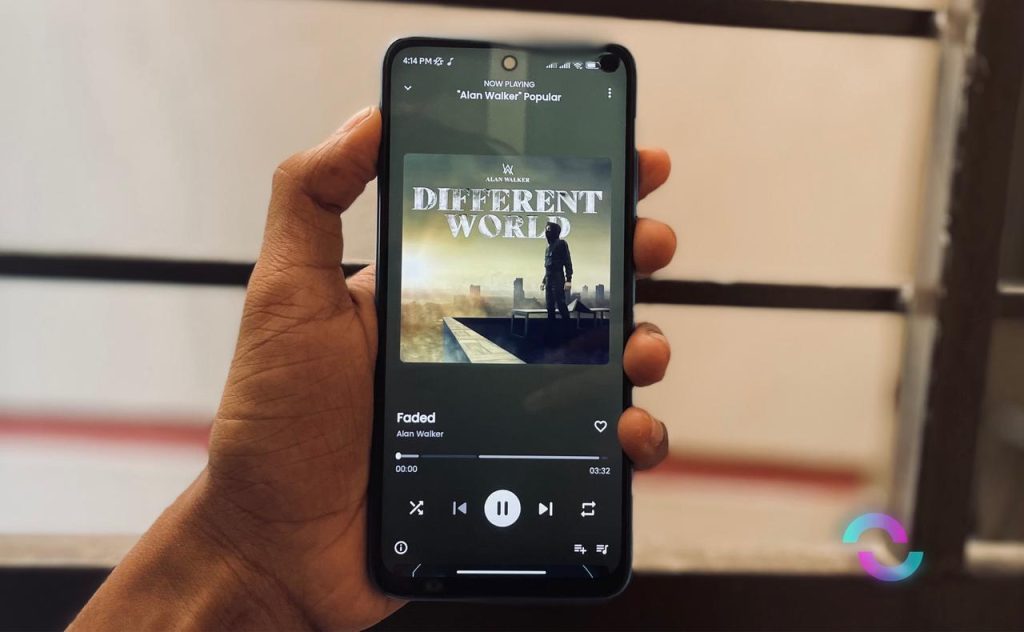
Audio quality: The app streams audio at up to 320kbps, which is confirmed in the app’s own GitHub README. Without a Google account, streams default to around 128–141kbps AAC. With a logged-in YouTube Premium account, you get up to 256kbps officially. The 320kbps option requires routing through a compatible external API — it is not something you get out of the box for most users.
Offline listening and caching: You can cache songs as you listen and download playlists for offline use. This works as described.
No ads during playback: Correct. It pulls the raw audio streams from YouTube, completely stripping out visual and audio advertisements.
SponsorBlock integration: The app includes SponsorBlock, a community-powered tool that automatically skips non-music segments in YouTube videos — useful for live sets or DJ mixes.
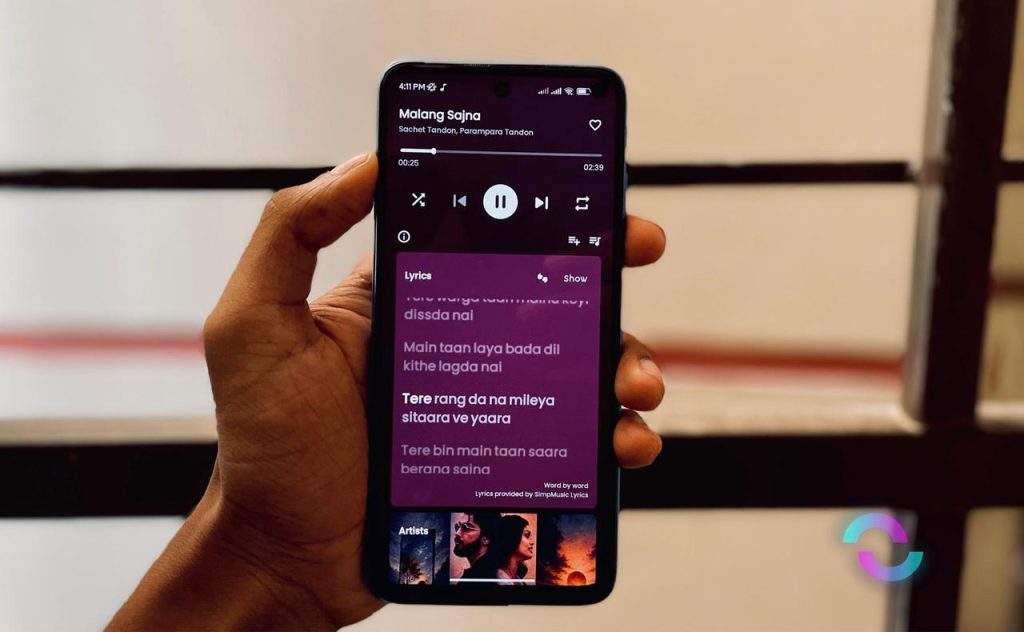
Synced lyrics: Lyrics are pulled from multiple sources including LRCLIB, YouTube transcripts, and — if you log in separately — Spotify. The Spotify login in the app’s settings is specifically for accessing lyrics and Spotify Canvas visuals, not for streaming music from Spotify.
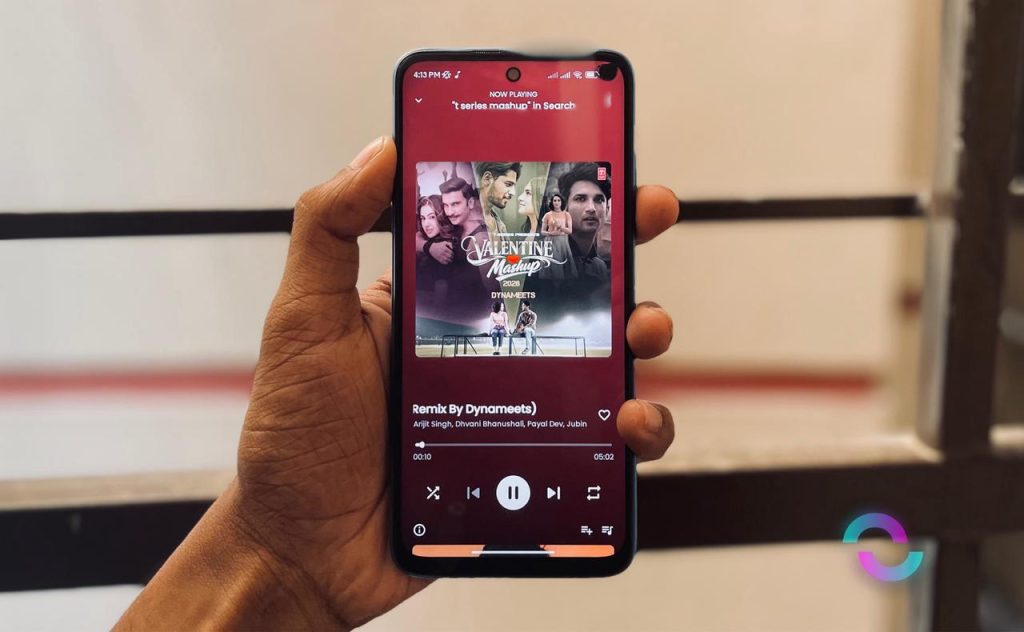
Third-party and non-Spotify content: Because the backend is YouTube, SimpMusic gives you access to content that Spotify does not carry: fan-made mashups, bootleg recordings, live concert audio, unofficial remixes, and regional tracks that never made it onto licensed streaming platforms. This is genuinely one of its stronger practical advantages.
Other features: Android Auto support, crossfade/automix mode, pitch and speed controls, BPM display, sleep timer, Discord Rich Presence, and multi-account YouTube switching.
Platforms: Android is the primary target. The desktop app (Windows, macOS, Linux) is in active alpha — the developer’s own GitHub page notes it is buggy on some Linux distributions and does not support offline playback on desktop yet. It requires Android 8.0 (Oreo) or higher version.
Why It Is Not on the Google Play Store
This is the question most coverage glosses over, and it deserves a straight answer.
SimpMusic is not on the Play Store because it violates Google’s developer policies. Specifically:
YouTube’s Terms of Service explicitly prohibit downloading, caching, or accessing content outside of officially provided features (like YouTube Premium). They also prohibit bypassing the ad delivery system — which is the mechanism that pays creators. SimpMusic does both: it caches audio locally and strips ads from streams.
The app’s own GitHub README is transparent about this. It states directly that it uses “hidden API from YouTube Music with some tricks to get data from YouTube Music” and “Spotify Web API and some tricks” for Canvas and lyrics. There is no ambiguity there from the developer’s side.
Because it is open-source and distributed through independent repositories like F-Droid and GitHub rather than the Play Store, Google has limited ability to remove it. The developer also explicitly disclaims any affiliation with Google, YouTube, or Spotify on the official website.
The legal responsibility, per the app’s own privacy policy, falls on the individual user — not the developer.
Coverage by other publications — And What It Left Out

In June 2025, Android Police published an article titled “I ditched Spotify for this free music app and don’t miss Premium a bit”, written by veteran tech journalist Dhruv Bhutani. It is a positive hands-on review that covers the app’s interface, library breadth, and feature set accurately.
What it did not cover: whether using the app violates YouTube’s Terms of Service, what that means for your Google account, or any of the artist compensation implications.
The reader comments on that article filled in what the article didn’t say. One commenter wrote that this is “basically theft,” pointing out that musicians earn royalties when their music is streamed through official channels, funded by subscriptions or ads. Another commenter raised a separate issue — that there appear to be clone apps using the SimpMusic name, and one of those may have violated the original app’s GPL-3.0 open-source license by adding ads without disclosing source code changes.
The Honest Concerns
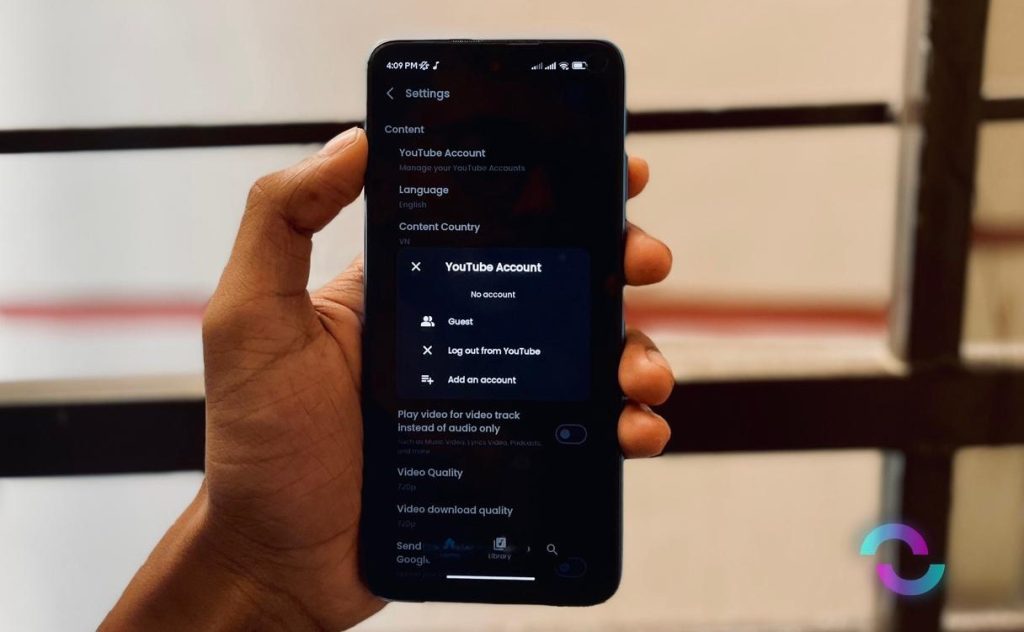
Your Google account is at risk if you log in. If you connect your Google or YouTube account inside SimpMusic, you are using a third-party client to bypass ads and cache content — which is against Google’s Terms of Service. Whether Google acts on individual accounts is unpredictable, but the risk is real and documented.
The app can break without warning. SimpMusic depends on undocumented YouTube APIs. YouTube changes its backend regularly, and when it does, the app can stop working until the developer pushes a patch. The GitHub README itself warns: “Because of depending on YouTube Music, the player error will happen and it’s normally.” This is not a stable, enterprise-backed service.
Artists are not being paid. When you use SimpMusic, ads are removed and official streaming counts are bypassed. Whatever your view on Spotify’s royalty rates (and they are genuinely low), musicians earn nothing from streams through this app. That is not a legal conclusion — it is a factual one.
Metadata and organization are imperfect. Because the app pulls data from YouTube’s public library, album artwork, track names, and discography organization can be inconsistent. The Android Police review noted this too.
So Is It a Spotify Alternative?
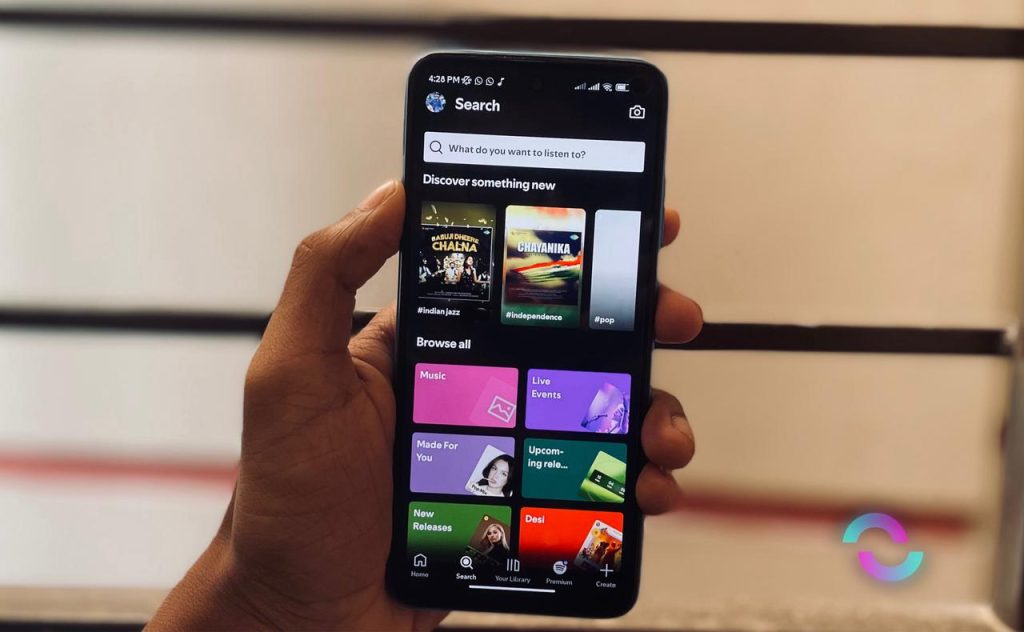
Functionally, yes. It delivers ad-free music streaming, offline caching, a clean interface, background playback, and a broader library in some ways than Spotify — particularly for content outside major label deals.
But “alternative” and “replacement” are different things.
SimpMusic is a technically impressive open-source project built by a single developer. It works. The library breadth is real. The features are genuine. But it operates by circumventing the rules of the platform it depends on, it exposes users to account risk, it can stop working at any time, and artists earn nothing from it.
If your concern is purely practical and you are comfortable with those trade-offs and risks, you now know what they are. If you are looking for a legally stable, creator-supporting alternative to Spotify, SimpMusic is not that — and no free app that works this way can be.
What I found after three years of searching is that a real Spotify alternative that is both fully functional and fully above-board does not exist yet. SimpMusic is the most capable unofficial solution I have tested. The word “unofficial” is doing a lot of work in that sentence.