

Our editorial team is comprised of skilled technology experts and developers. To ensure that our research is easy to understand in simple and plain English, we may use AI-assisted tools for grammatical refinement and structural smoothness. However, every technical insight, test, and experience displayed has been fully completed and verified by our human team. All content remains the original property of Droid Expose. See more in our Privacy Policy.
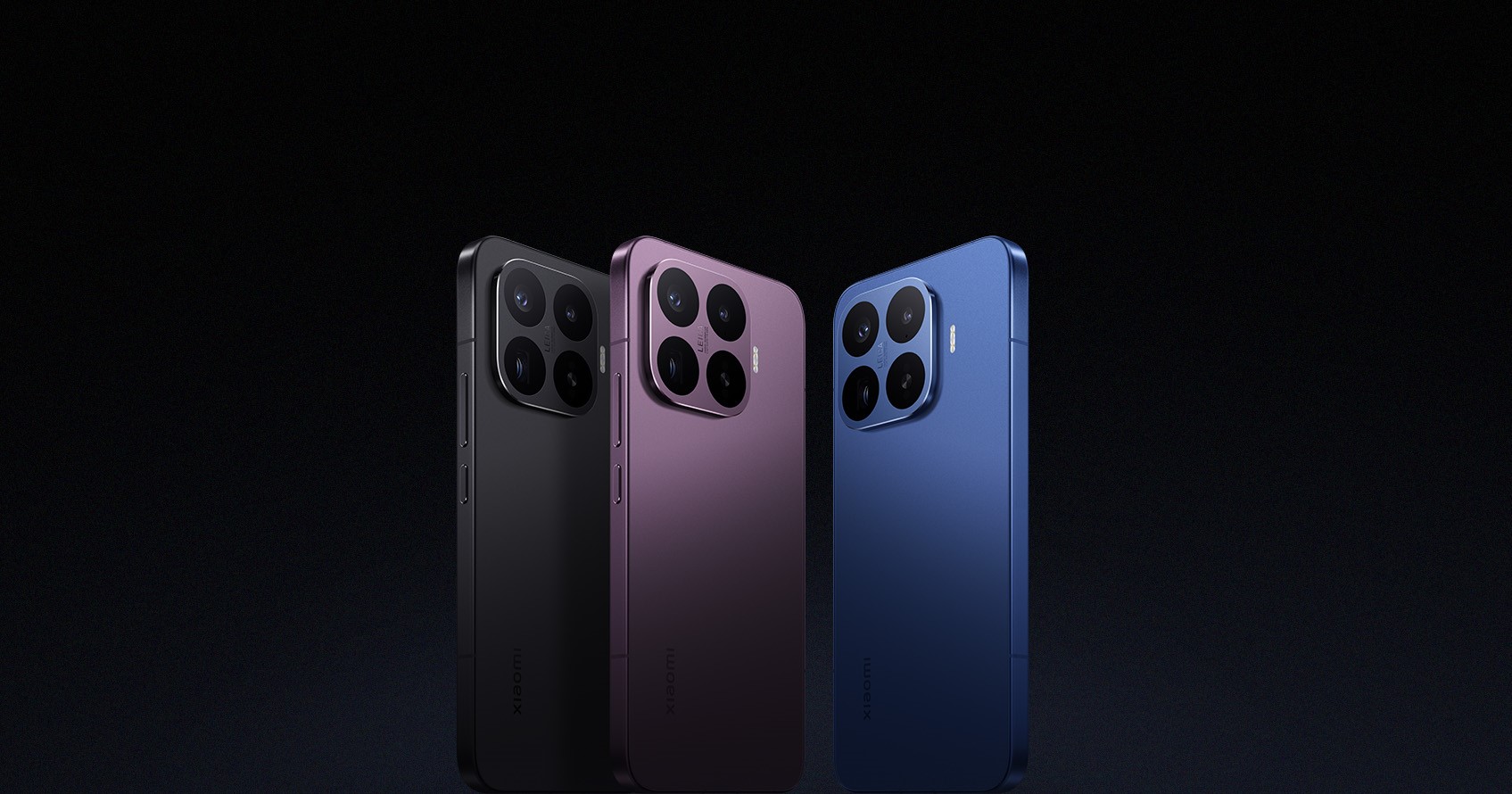
Xiaomi launched the 17T and 17T Pro globally- roughly four months ahead of where the T-series has historically landed. The 15T series debuted in September 2025. Moving the launch to late May isn’t just a calendar adjustment; it’s a positioning decision. Xiaomi is stepping out of the autumn phone season, where Samsung and Apple dominate the news cycle, and into a quieter window where a strong spec-to-price ratio gets more attention.
The phones were already spotted clearing regulatory certification in Brazil back in April, which was the first solid sign the launch was coming sooner than usual. What the certifications hinted at, the specs confirmed.
Table of Contents
The Price Conversation Nobody Wants to Have
Let’s start here because it shapes everything else.
The Xiaomi 17T opens at €749 in Europe. The 17T Pro starts at €999 for 12GB RAM and 512GB storage. For context, the 15T Pro which launched just eight months ago started at €749. The Pro model has gone up by €250 in a single generation.
That’s not a small move. Xiaomi has spent years building its reputation on the idea that you get flagship hardware without the flagship price. The 17T Pro at €999 is no longer below the flagship threshold, it’s sitting right at it, next to phones like the Samsung Galaxy S25 and the iPhone 16.
Whether that’s justified depends on how much the hardware actually moved. Spoiler: it moved quite a bit.
What’s Different From the 15T Pro
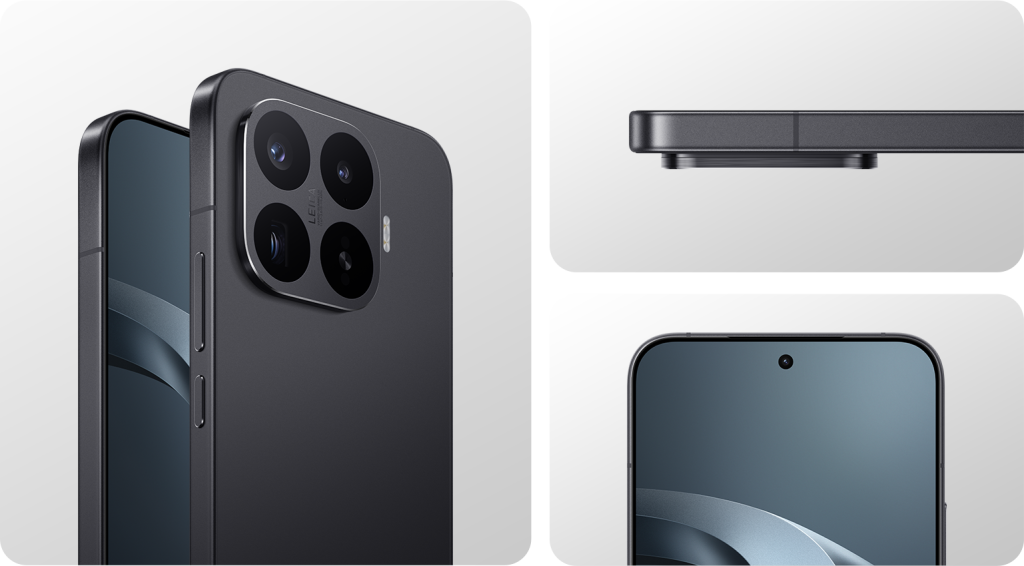
The battery upgrade is the most visible change. The 17T ships with a 6,500mAh silicon-carbon cell that’s 1,000mAh more than the 15T. The 17T Pro goes to 7,000mAh, up from 5,500mAh on the 15T Pro. Silicon-carbon chemistry, which Xiaomi has now been using across multiple devices including the Xiaomi 17 Max with its 8,000mAh cell, allows higher energy density without significantly increasing thickness. The 17T Pro is still a manageable roughly 8mm thick despite carrying that battery.
The chipset on the Pro moves from the Dimensity 9400+ to the Dimensity 9500, built on a 3nm process. Benchmark numbers aside, the real-world benefit is sustained performance under load and better power efficiency, the two things that matter most when you’re actually using a phone day to day rather than running benchmarks.
Wi-Fi 7 and 50W wireless charging both arrive on the 17T Pro for the first time in the T-series. The 15T Pro had neither. These aren’t headline features, but they’re the kind of thing you notice a year into ownership.
The camera gets the biggest structural change: Leica Summilux optics now appear on both models, not just the Pro. The 17T carries a 50MP Light Fusion 800 main sensor, while the 17T Pro upgrades to the Light Fusion 950 a larger 1/1.31-inch sensor with a 2.4μm pixel size, up from 2.0μm on the standard model. The Pro also gets a Leica Summilux lens with a refined multi-coating process that reduces ghosting, flare, and color cast more aggressively than the 17T’s setup. Both phones share the same 5x periscope telephoto with up to 120x AI Ultra Zoom, which is notable- the telephoto gap between the two models is smaller than you might expect given the price difference.
The Standard 17T Is the Interesting One
The 17T is where Xiaomi’s value argument still holds.
At €749, you get a 6.59-inch 1.5K AMOLED at 120Hz, the Dimensity 8500-Ultra, that 6,500mAh battery with 67W charging, and Leica Summilux optics including the 5x telephoto. That telephoto is new to the T-series entirely our earlier leak coverage flagged the periscope module as a standout addition, and the final product confirms it.
The honest concern here and one worth naming is thermal behavior under sustained load. The Dimensity 8500 is a capable chip, but extended gaming sessions can push it to throttle. We’ve seen this on devices running the same silicon; the 17T’s cooling system will need to manage it well for the experience to hold up in heavy use. Xiaomi’s 3D IceLoop cooling system is rated for this, but real-world results will tell the actual story once extended testing is done.
The 17T Pro sidesteps this concern entirely with the Dimensity 9500, which has a more mature power management architecture.
Display: Both Are Good, Pro Is Better
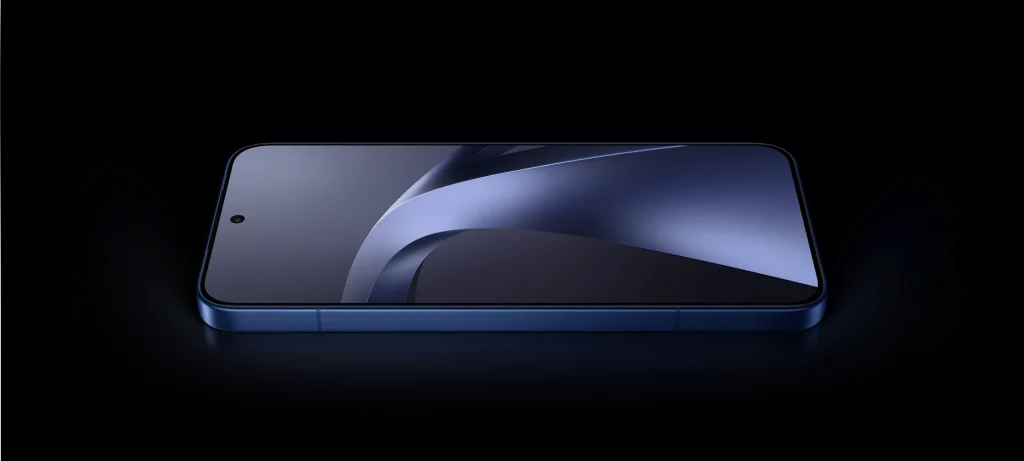
The 17T runs a 6.59-inch 1.5K AMOLED panel at 120Hz with 3,500 nits peak brightness. The 17T Pro gets a 6.83-inch AMOLED at 144Hz, also 3,500 nits, with bezels reduced to 1.29mm on all four sides. Both carry Xiaomi’s Vision Care certification from TÜV Rheinland covering low blue light, flicker-free dimming, and circadian rhythm management.
The Pro’s 144Hz is a real difference for fast scrolling and gaming. Whether it justifies part of that €250 premium depends on your use patterns.
Software and Bundled Perks
Both phones ship with Android 16 and HyperOS 3. Google Gemini is built in, including Gemini Live with screen-sharing capability. Veo 3 video generation is available through Gemini integration. Pre-order buyers get Redmi Headphones Neo with the 17T and the Xiaomi Smart Band 10 added on top for 17T Pro buyers. The Pro also includes a four-month Spotify Premium trial alongside the three months of YouTube Premium and Google AI Pro that both models receive.
Should You Buy It?
If you’re coming from the 15T Pro, the jump is real but the price increase is also real. A €250 increase for a meaningfully better battery, a new chip, Wi-Fi 7, and wireless charging is defensible but it’s no longer a bargain decision.
If you’re coming from something older- a 14T, a 13T, or any phone from 2024 or earlier, the 17T Pro at €999 is genuinely excellent hardware for the money, and the Pro’s 7,000mAh battery is the kind of spec that changes how you interact with a phone on a daily basis.
The standard 17T at €749 is the better value argument. You give up the higher-tier sensor, the 144Hz display, wireless charging, and Wi-Fi 7, but you keep the core experience: silicon-carbon battery, Leica optics, 5x telephoto, and the Dimensity 8500’s capable day-to-day performance.
As for the 17 Max Xiaomi has confirmed it’s under consideration for international markets. Given its 8,000mAh battery and 200MP main sensor, it would sit above the 17T Pro in the lineup and fill a gap nothing else currently occupies in global markets.